

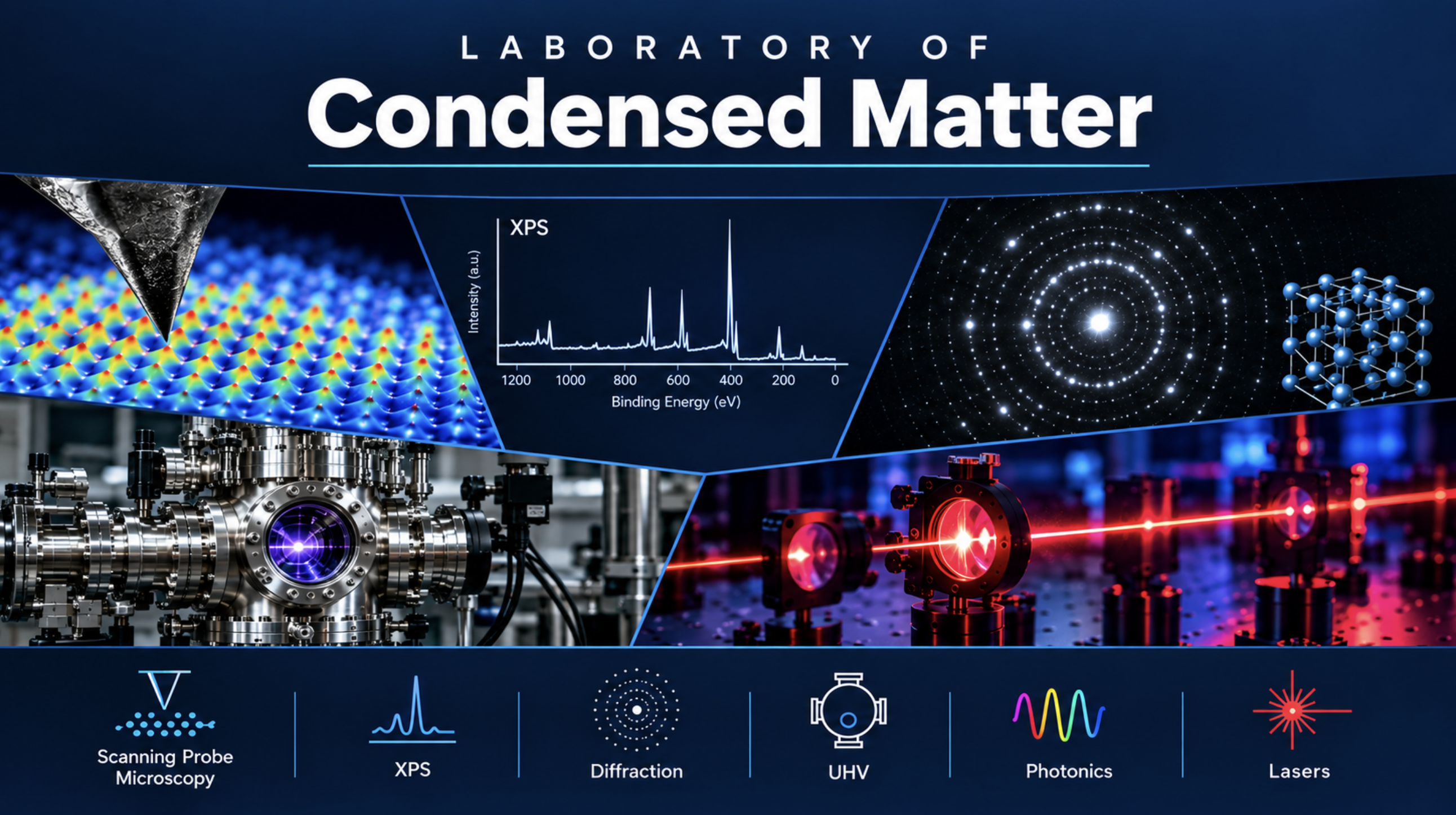
The course provides an overview of the main experimental techniques employed in condensed matter physics, with emphasis on sample preparation, structural, microscopic, spectroscopic, and optical characterization methods, as well as on experimental de
Información adicional
The main objectives of the course Physics Laboratory I are the learning of the physical principles governing the interaction between electromagnetic radiation or particles and matter, the operating principles of particle sources and detectors, as wel
Información adicional---------------------
Información adicional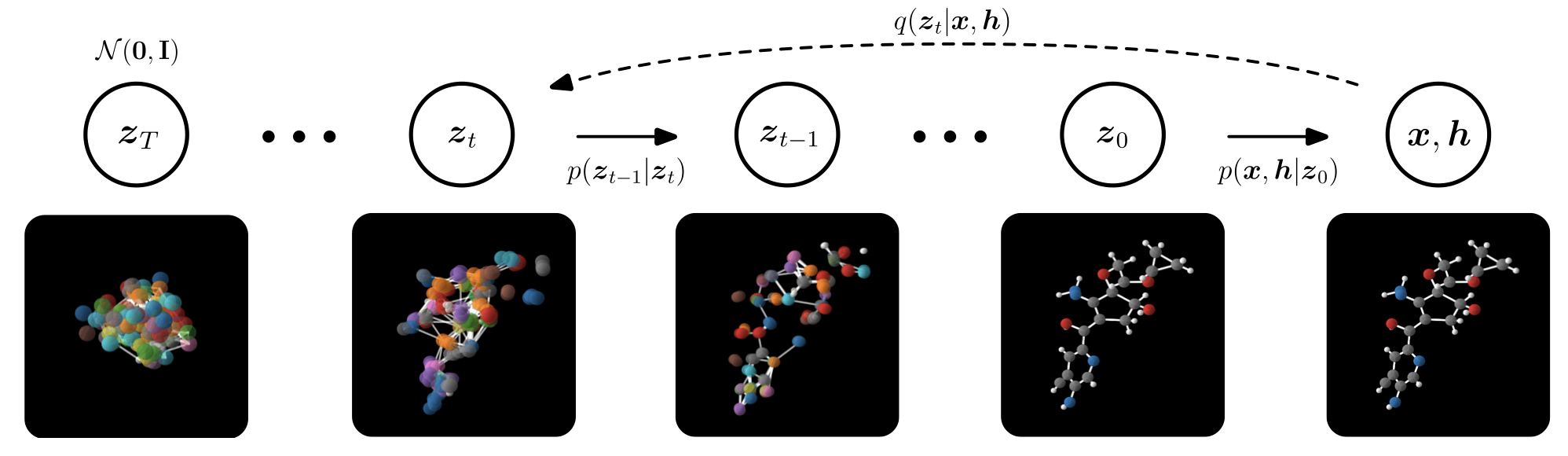
General objective of the course is to familiarise with advanced deep learning techniques based on differentiable neural network models with different learning paradigms; to acquire skills in modelling complex problems, through deep learning technique
Información adicionalThe course will mainly focus on:
• Mean-field methods to treat electron-electron interactions;
• Magnetism;
• Transport theory (Boltzmann equation and beyond).
Información adicional• Mean-field methods to treat electron-electron interactions;
• Magnetism;
• Transport theory (Boltzmann equation and beyond).

The course will start with the general principles of data analysis and explore fundamental techniques and their applications in various scientific contexts. Topics will include statistical analysis methods, modeling, and data interpretation, with a p
Información adicional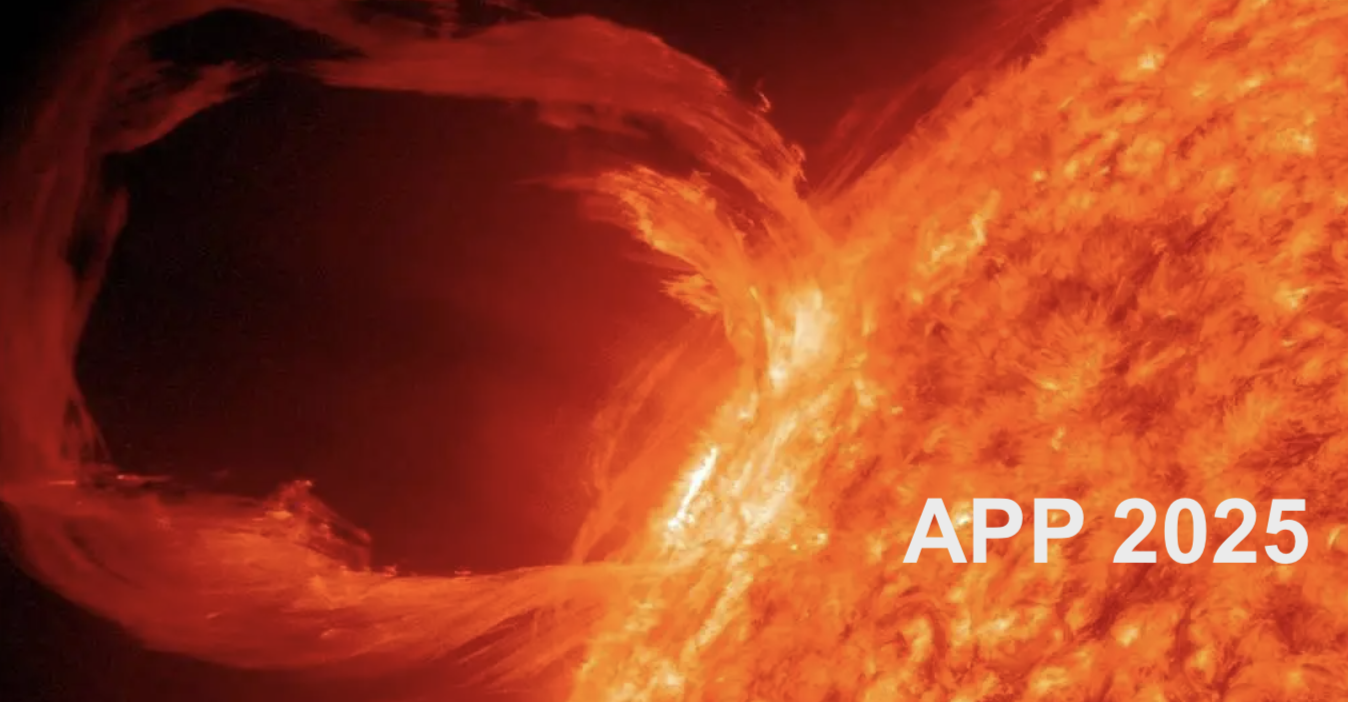
Fundamental physics course for astrophysical applications.
Introduction to plasma physics and astrophysical applications; magnetohydrodynamics; radiative transport, main astrophysical processes.
Información adicionalIntroduction to plasma physics and astrophysical applications; magnetohydrodynamics; radiative transport, main astrophysical processes.
The course aims to provide a foundational understanding of optics as applied to astronomical observations.
By the end of the course, students will have developed a solid understanding of how aberrations and diffract
Información adicionalBy the end of the course, students will have developed a solid understanding of how aberrations and diffract

The main objectives of the course Physics Laboratory I are the learning of the physical principles governing the interaction between electromagnetic radiation or particles and matter, the operating principles of particle sources and detectors, as wel
Información adicionalSummary: Within Statistical Mechanics, it is possible to rationalize how the properties of macroscopic bodies are related to their microscopic structure. Macroscopic bodies are systems composed of many elementary units whose microscopic dynamics a
Información adicional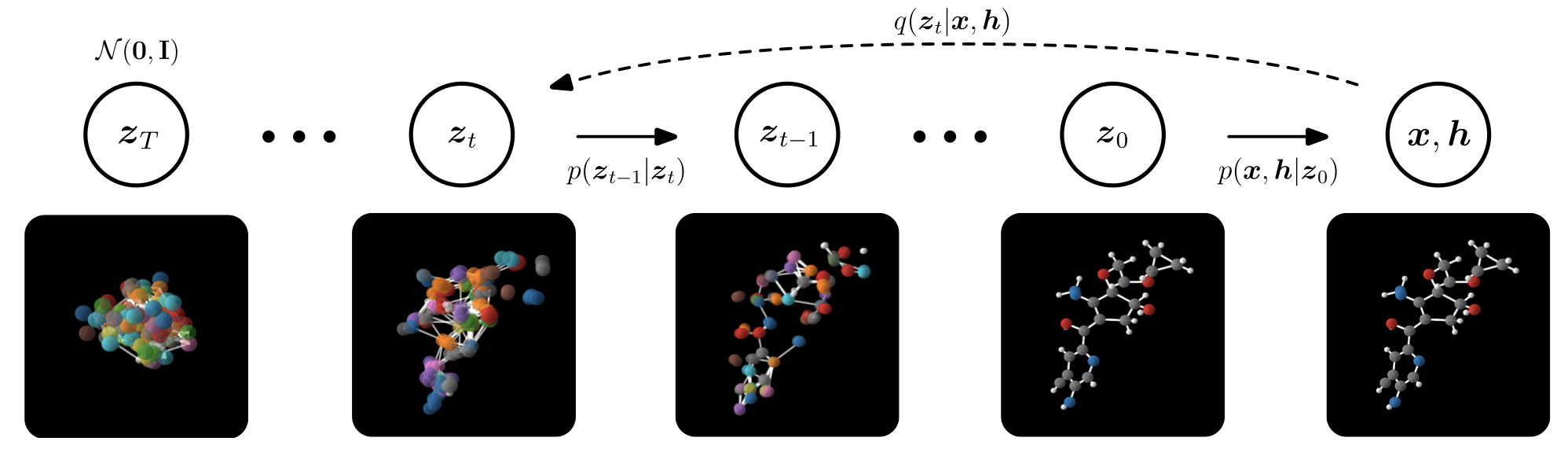
General objective of the course is to familiarise with advanced deep learning techniques based on differentiable neural network models with different learning paradigms; to acquire skills in modelling complex problems, through deep learning technique
Información adicionalThe course will mainly focus on: - mean-field methods to treat electron-electron interactions- magnetism- transport theory (Boltzmann equation)
Información adicional
The aim of this course is to provide a description of the physical processes and astrophysical observations which underlie our present understanding of the formation and evolution of galaxies.
Información adicional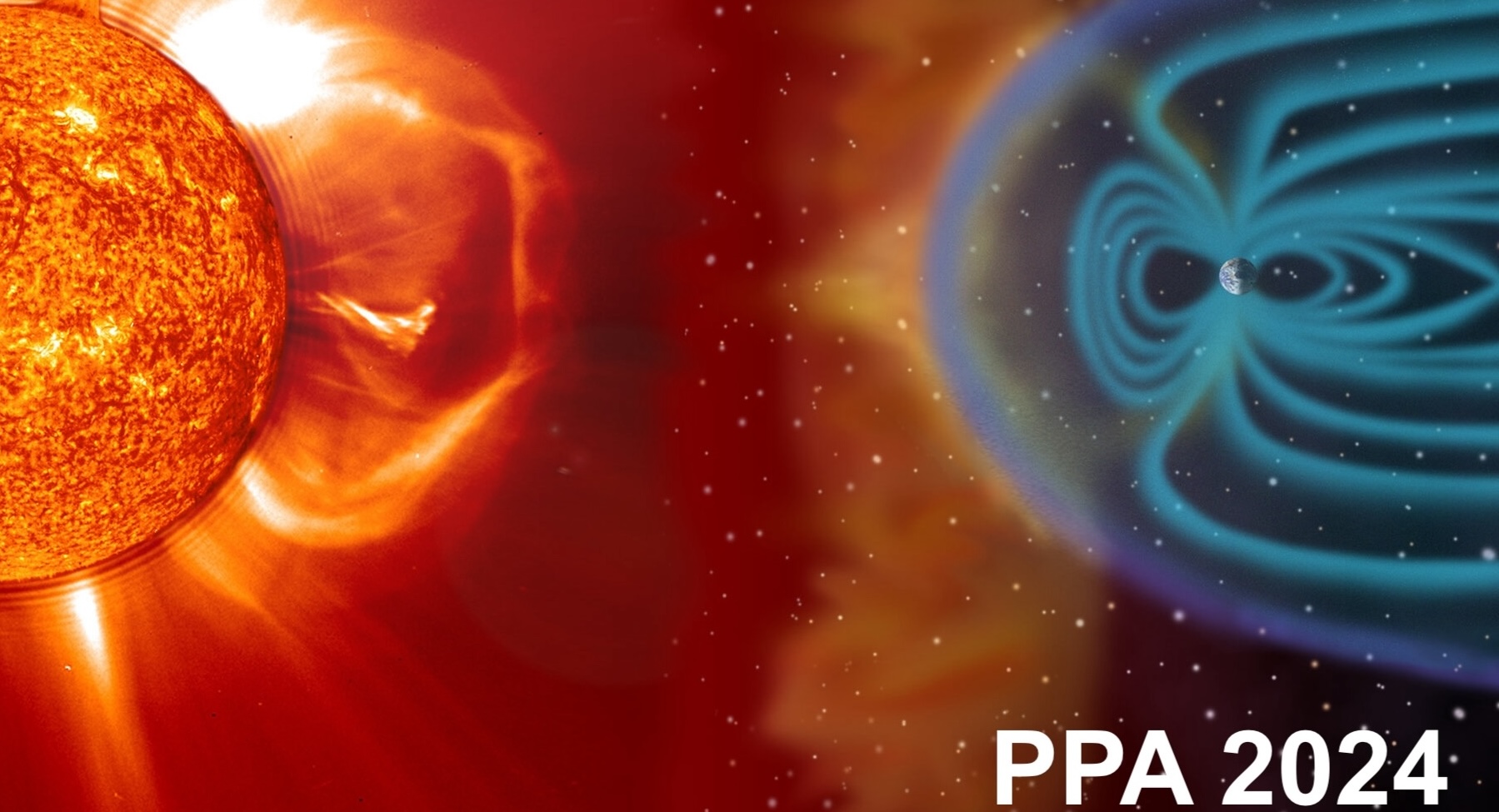
Corso di fisica fondamentale per applicazioni astrofisiche.
Introduzione al plasma e applicazioni astrofisiche; magnetoidrodinamica; richiami di relatività ristretta; trasporto radiativo, principali processi astrofisici.
Información adicionalIntroduzione al plasma e applicazioni astrofisiche; magnetoidrodinamica; richiami di relatività ristretta; trasporto radiativo, principali processi astrofisici.
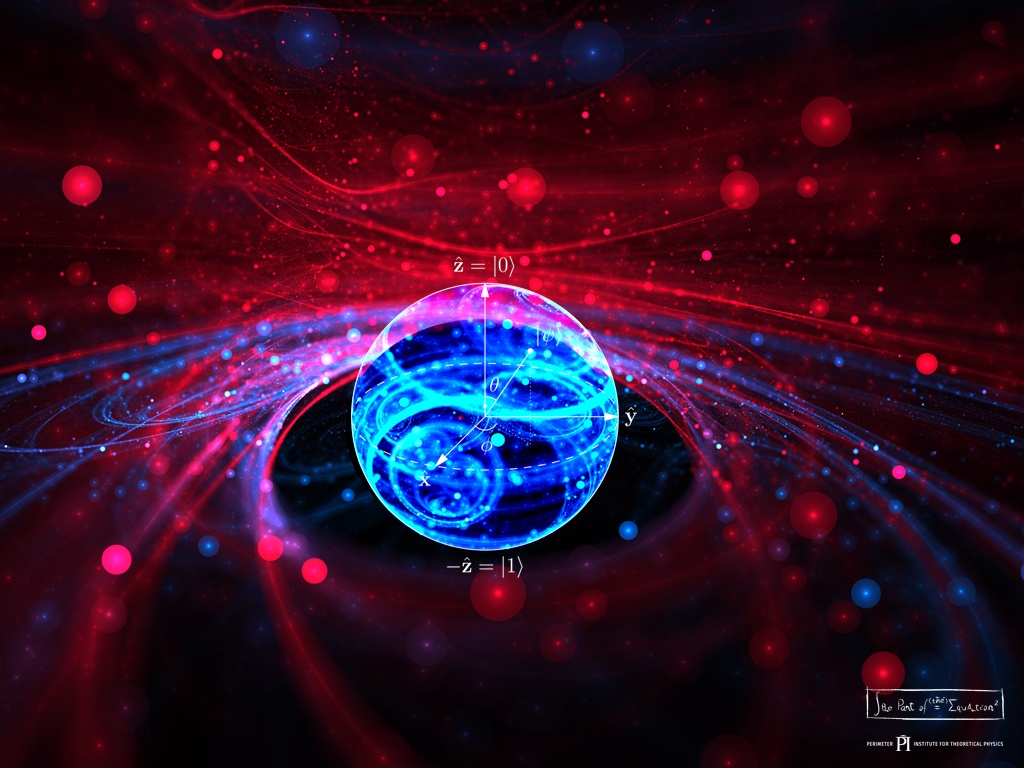
WELOCOME TO ENGLISH B2Following the relevant LEARNING OBJECTIVES:Specific objectivesA. Knowledge and comprehension skills-- Knowledge of the main English grammatical structures and of the sectorial language pertaining to the field of Physics and
Información adicionalThis is the elearning page of the first part of the course of Mathematical Physics, mainly focused on the study of models arising in fluid mechanics and kinetic theory.
Información adicionalIntroduction to advanced aspects of Relativistic Quantum Field Theory
Información adicionalGeneral objective of the course is to familiarise with advanced deep learning techniques based on differentiable neural network models with different learning paradigms; to acquire skills in modelling complex problems, through deep learning technique
Información adicionalIl corso costituisce un'introduzione all'astrofisica degli oggetti compatti (nane bianche, stelle di neutroni e buchi neri) e e dei processi altamente energetici (dal radio ai raggi X e gamma, fino alle onde gravitazionali) che ne caratterizzano l'em
Información adicionalThe course will mainly focus on: - mean-field methods to treat electron-electron interactions- magnetism- transport theory (Boltzmann equation)
Información adicional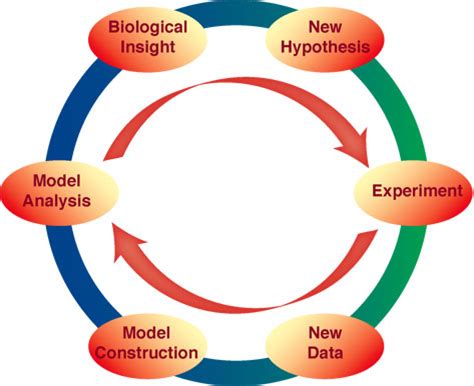
COMPUTATIONAL BIOPHYSICS
(CB_23_24)
SYLLABUS
doing physical biology with models and computers: from the
Born-Oppenheimer approximation
to molecular dynamics; from the space of biological
sequences to integrative modelling of syst
Información adicional
The goal of the course is to provide the students with the theoretical background and the hands-on experience of two numerical approaches to treat the quantum-many body problem in condensed matter: (a) Density Functional Theory, i.e. the current â
Información adicionalBIOPHYSICA
COMPUTAZIONALE
A.A.
2017-2018, 6 ECTS.
A course for the Master Program in Physics is given
in the 1st semester and is pivotal for the curriculum in biosystems
and part of an integrated syllabus together with courses in BIO
Información adicional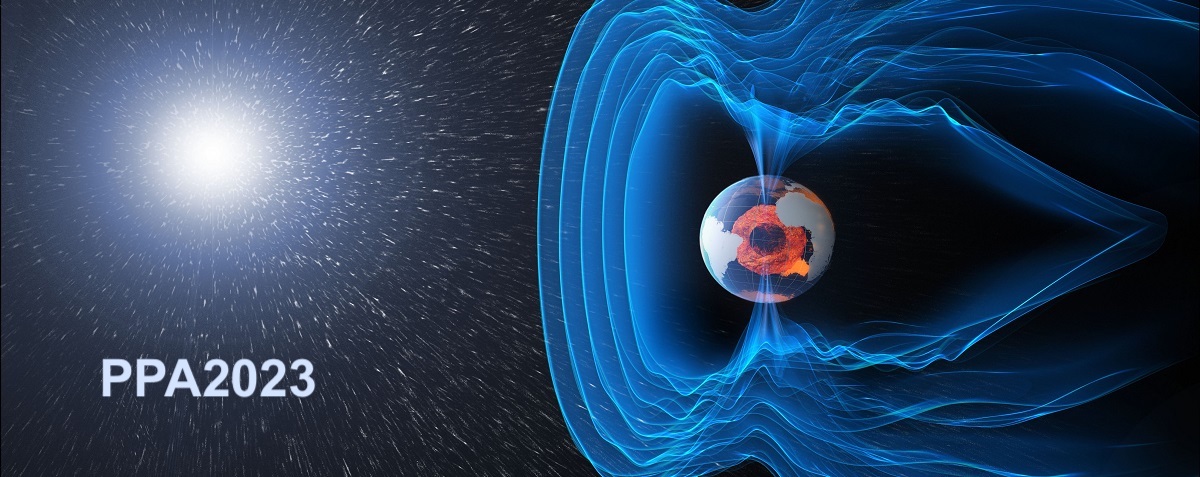
Corso di fisica fondamentale per applicazioni astrofisiche.
Introduzione al plasma e applicazioni astrofisiche; magnetoidrodinamica; richiami di relatività ristretta; trasporto radiativo processi astrofisici.
Información adicionalIntroduzione al plasma e applicazioni astrofisiche; magnetoidrodinamica; richiami di relatività ristretta; trasporto radiativo processi astrofisici.
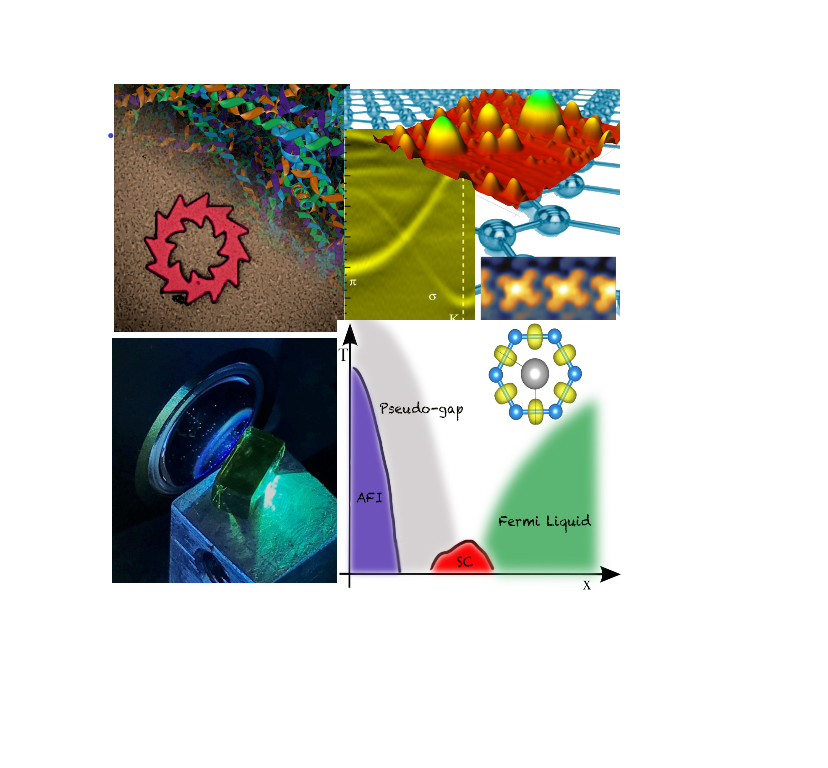
Knowledge of the physical principles of the interaction between electromagnetic radiation and particles with matter. Knowledge of the laboratory techniques and of their fundamentals, in order to prepare a laboratory experience on the following course
Información adicional
Obiettivi dell'insegnamento
Lo studente che segue proficuamente il corso sviluppa una conoscenza dei metodi principali per la risoluzione numerica di equazioni differenziali ordinarie e alle derivate parziali, che sono alla base dei meccanismi fisic
Información adicionalPhysics Laboratory II Curriculum Biosystems
docente: Alessandro Nucara
Información adicionalGeneralities
1) Probe-Target Interaction; Equilibrium and non Equilibrium dynamics;
2) Scattering Matrix and Linear Response Theorem; Detailed Balance Theorem; Correlation Functions and Spectroscopies;
3) Time Domain and Frequency Domain Spe
Información adicionalLezioni: 11-13 Aula 2 N.E. Fisica
Información adicionalGeneral objective of the course is to familiarise with advanced deep learning techniques based on differentiable neural network models with different learning paradigms; to acquire skills in modelling complex problems, through deep learning technique
Información adicional
The course is thought to be an introduction to models in statistical physics where the disorder plays a central role: these are not only disordered physical systems but also problems where the presence of frustration and/or the lack of perfect knowle
Información adicional